DAYTON WOMAN’S CLUB HAS ENJOYABLE MEETING
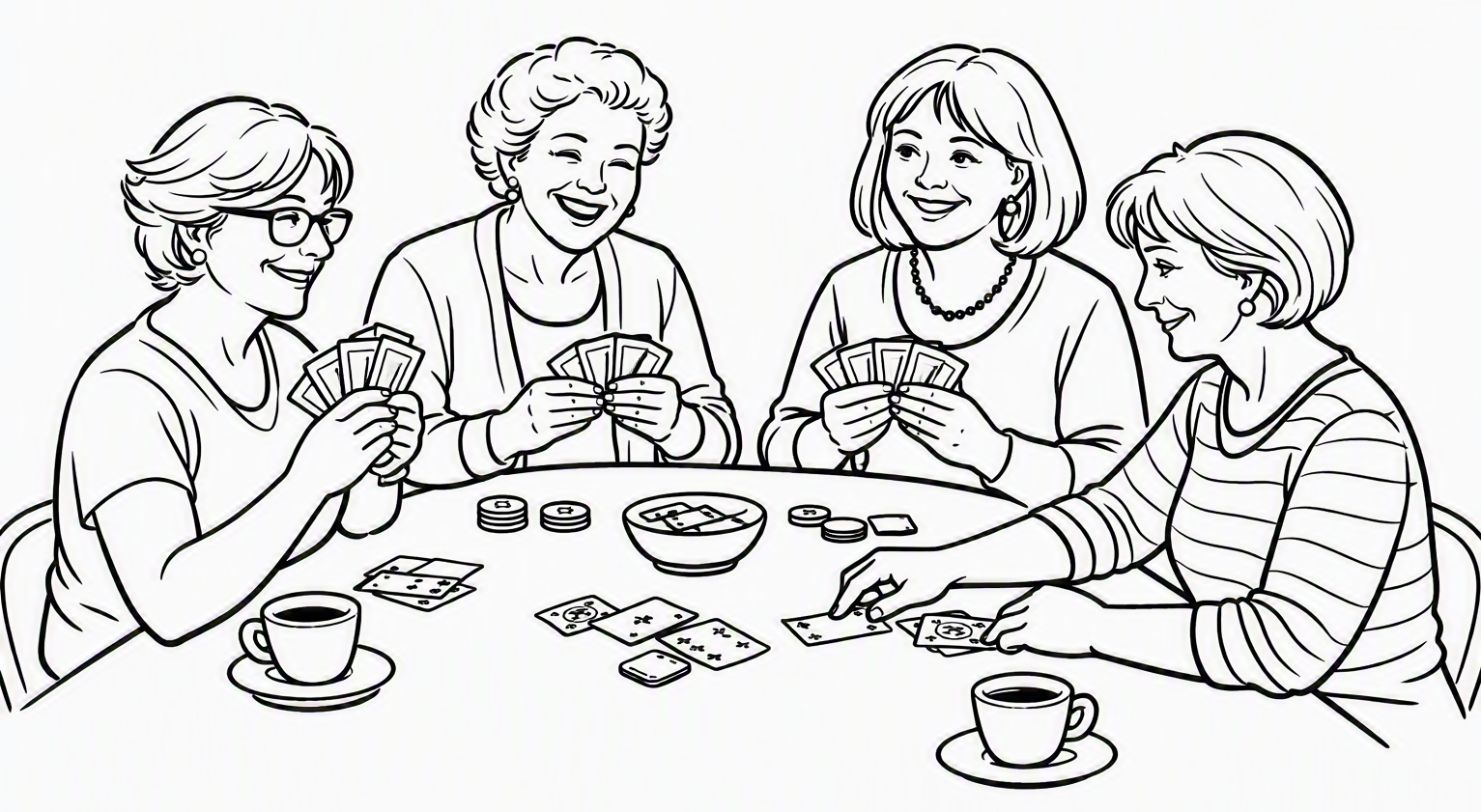
Mrs. E. C. McClary and Miss Jennie Barnes were hostesses Wednesday afternoon to twenty-five ladies at the regular meeting of the Dayton Woman’s club. A business session was held at which various topics for the annual bazaar to be held on Oct. 24, were discussed. Six tables were placed and the guests indulged in playing bunco. Mrs. W. B. Fleming won high score while Mrs. Zeta Bogard won the consolation prize.
At 4:30, a delicious lunch was served by the hostesses. The hall was prettily decorated with fall flowers and autumn leaves. The guests adjourned at five o’clock.
Card Party Held
The Dayton Woman’s club entertained Friday evening with a card party. Seven tables were occupied at euchre and six at bunco. the game started at eight o’clock and continued until ten. A lunch was served by the committee in charge, after which dancing took place. Mrs. Samuel Nash and Mrs. Mary Buckley high in bunco.
Move to Ottawa
Mr. and Mrs. Roy McAlpine and son have removed to Ottawa, where they will reside the coming winter. Harry McKibbin and family of Wedron, will occupy the house made vacant by the former.
To Entertain Club
Miss Maude Green and Mrs. Nettie Masters will entertain the members of the Dayton Women’s club at the regular meeting to be held on Wednesday afternoon, Oct. 17 in the clubhouse.
Dayton Briefs
Mr. and Mrs. Samuel Nash motored to Hennepin, Ill., Sunday to visit with relatives and friends.
Mrs. Addie Thompson spent the week-end in Ottawa with friends.
Mr. and Mrs. Van Etten of Mendota were business callers in Dayton Sunday.
Mr. and Mrs. Wm. Roth and son and Mr. and Mrs. Edwin Hypes of Ottawa spent Sunday with Mr. and Mrs. M. Keenan and family.
Miss Jennie Fraine who teaches school in Marseilles spent the weekend at her home here.
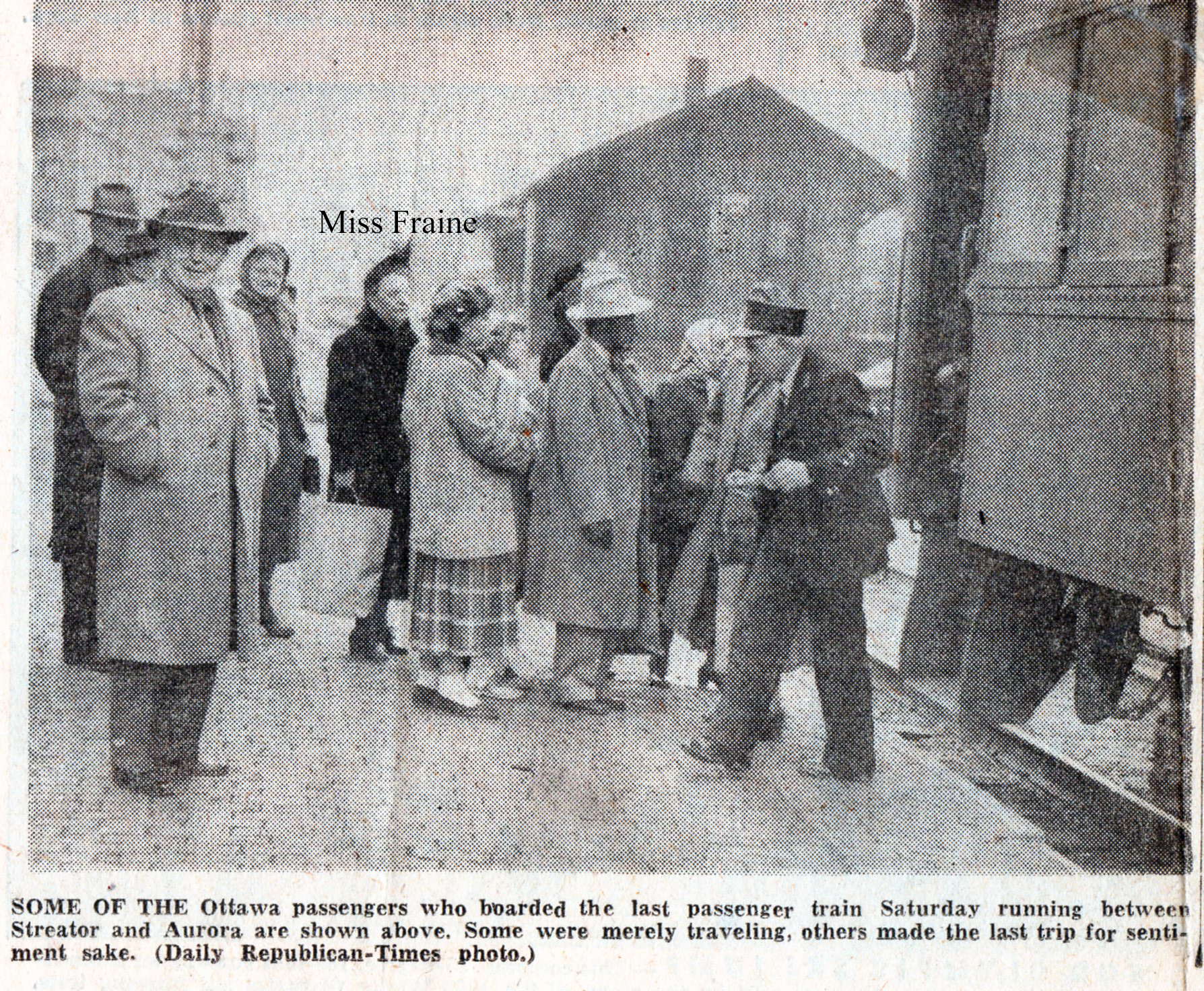
Passengers to Ottawa Saturday by train were Mrs. John Garcia, Mrs. Wm. Ryan and two children, Misses Emma and Jennie Fraine, Muriel Brown and Andrew Tepfer.
The Dayton Woman’s club have planned to hold another card party in their hall Friday evening.
Mr. and Mrs. M. Keenan attended the Majestic theatre in La Salle Sunday evening. They were accompanied by Mr. and Mrs. Wm. Roth and son William of Ottawa.
Samuel Nash has a car load of Red River Early Ohio potatoes on C. B. & Q. track, back of the store.
Mrs. Bryan Sexton and family spent Tuesday in Ottawa with the former’s mother, Mrs. Jensen. She was accompanied by Miss Edith Reynolds.
James MacGrogan left Thursday morning for Davenport, Iowa, where he will visit relatives.
A new fire escape has been erected on the west side of the Dayton school.
Mrs. Gladys Lattimore and children are spending a couple of weeks at one of the camps here.
Mr. and Mrs. George Bennett called on friends in Wallace township Tuesday evening.
Mr. and Mrs. Charles Kleiber, Jr., and two children spent Monday evening with Mr. and Mrs. Keenan and family.
Mrs. Paul Schmidt, Mrs. Zeta Bogard, west of Dayton, Mrs. S. Canfield, Rutland, Mrs. Baldridge, Marseilles, Mrs. Rush Green and Mrs. Anna Lormis of Dayton were guests at the meeting of the Woman’s club Wednesday.
Harry Tanner called in Streator Friday on business.
Mr. and Mrs. Walter Tepfer are spending a couple of weeks in Burlington, Iowa.
- Ottawa Daily Republican Times, October 15, 1928, p. 10. cols. 4-7.