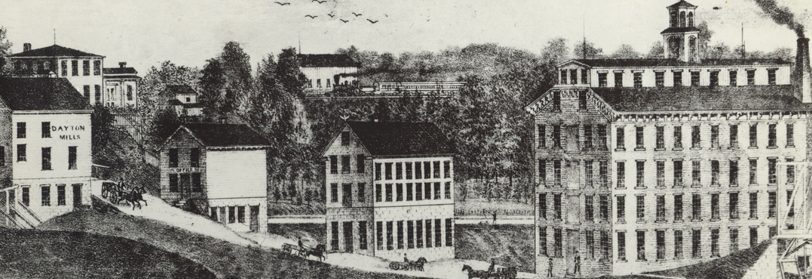
Most towns have their great weather stories — the blizzard of ’78, the flood of ’52, the tornado that took the roof off the feed mill. Dayton has those too, of course. But going through the old newspapers and township notes, you see the small weather stories: the domestic, whimsical, almost throwaway observations that never make it into the official histories but somehow tell you more about how people actually lived.
These are the scraps that make Dayton feel like a place where the weather wasn’t just endured — it was talked to, bargained with, joked about, and occasionally blamed for political outcomes.
The Weather With Opinions
In May of 1879, a late frost kept returning night after night, and someone finally gave up and described it as arriving “like the Dutch girl’s beau, efery evening, mine sweet sourcrout” — the frost as an overly persistent suitor who simply will not take a hint.
A few years later, at Ada Green’s wedding in 1881, the sun was said to have “smiled gently and lovingly down upon the young couple.” Dayton folks were not above giving the sun a personality when it suited the occasion. And in 1892, the morning sun struck the town “squarely in the face and makes her smile again,” as if Dayton were a character in the story.
During a sweltering July in 1886, the whole community was “vainly sighing for a cool Manitoba wave.” I like the idea that relief might drift down from Canada.
And in 1889, when the snow wasn’t quite deep enough for proper sleighing, a Wedron correspondent appealed directly to the heavens: “so send us down a little more snow, Old Probit.” Weather as negotiation.
The Rhythms of Winter
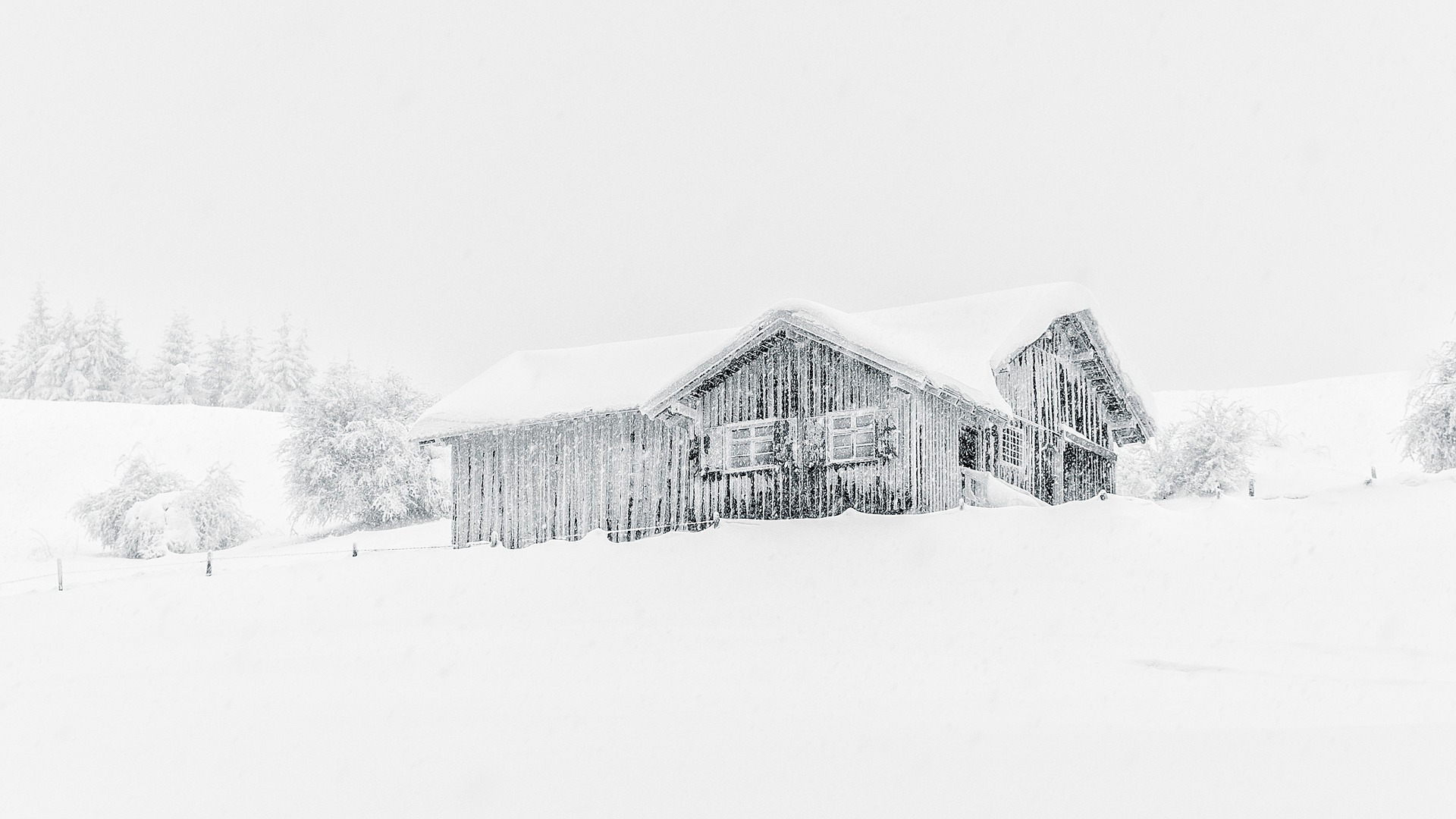
In 1901, one Sunday’s weather was described as being “like a raffle, very uncertain” — rain in the morning, sunshine at noon, and a “good old-fashioned snow storm” by afternoon. A whole day’s worth of seasons in twelve hours.
In December 1888, “King Winter visited us last night,” leaving enough snow to make the “sleigh bells jingle.” That’s the kind of line that makes you hear the sounds of the place.
And in November 1879, someone marked the true arrival of winter with a single, melancholy sentence: “No more we’ll hear the robin sing.”
Then there was the ice gorge of 1885, with its huge blocks “glittering in the sunlight like polished silver.” A tiny postcard of a moment.
Weather as Daily Companion
Some of the best weather notes are the ones where it intrudes on ordinary life.
In June 1879, someone pitched a tent by the river, only to discover that the moment the canvas went up, “the mercury in the thermometer begins to move toward zero.” Camping, Dayton-style.
During a drought in 1887, a correspondent joked that if anyone had influence at the “Signal office,” they might “scare up a week or two of good rains” for the mills. Weather as bureaucracy.
In the 1882 election, heavy afternoon rain “was somewhat damaging to the hopes of a few aspirants for office.” A very Midwestern way of saying the mud did someone in.
And in November 1901, the wells ran dry, forcing families to carry water “quite a distance for household use.” A small hardship, quietly noted.
My favorite, though, is the lament from Ottawa saloon keepers in 1901: the turtles they relied on for lunch-counter fare had vanished into the mud for winter — “and pulled the mud in after him.” A whole season summed up in one disappearing turtle.
Why These Little Stories Matter
None of these are dramatic. None of them would make a timeline. But together they form a kind of weather‑shaped portrait of Dayton — a place where people paid attention to the small shifts, the first robin’s silence, the glitter of ice, the way a tent could summon cold, or how a frost could behave like an overly attentive beau. These tiny stories are the texture of daily life.
Copilot wrote the unruly first draft; I made it publishable.


Reminds me that Mark Twain started as a newspaper reporter. There was room for creativity and humor in recounting local news, back then…
LikeLike