The David Green House

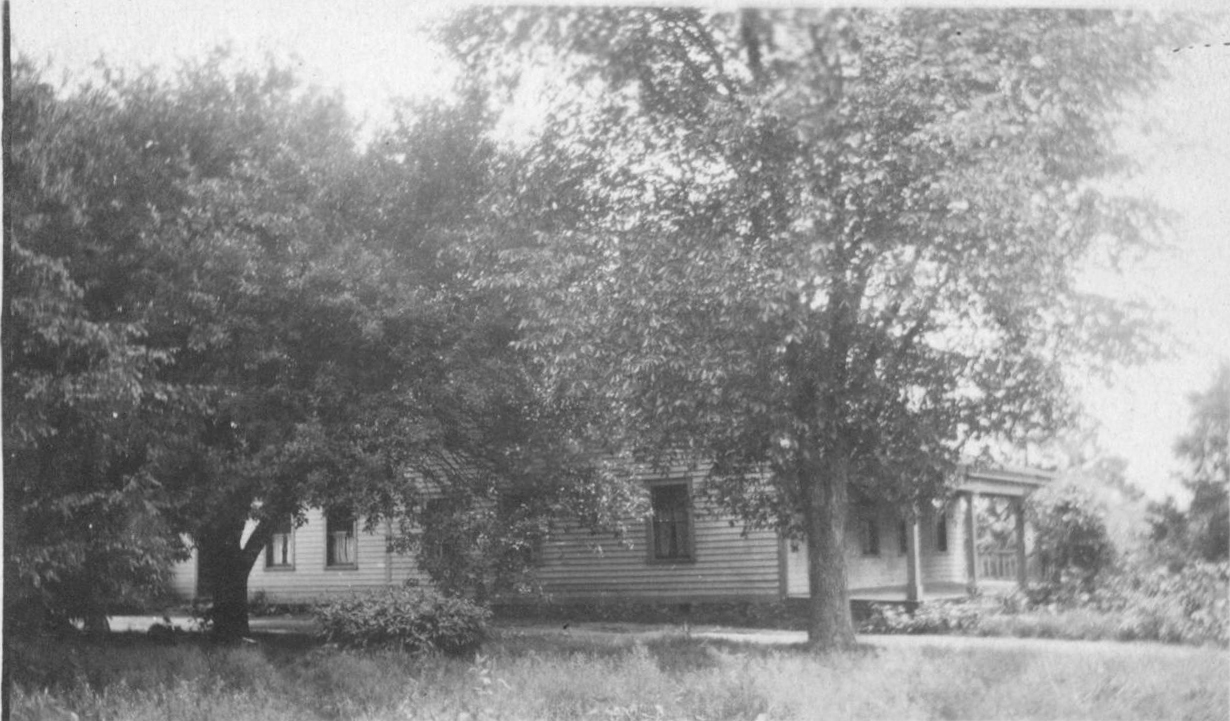
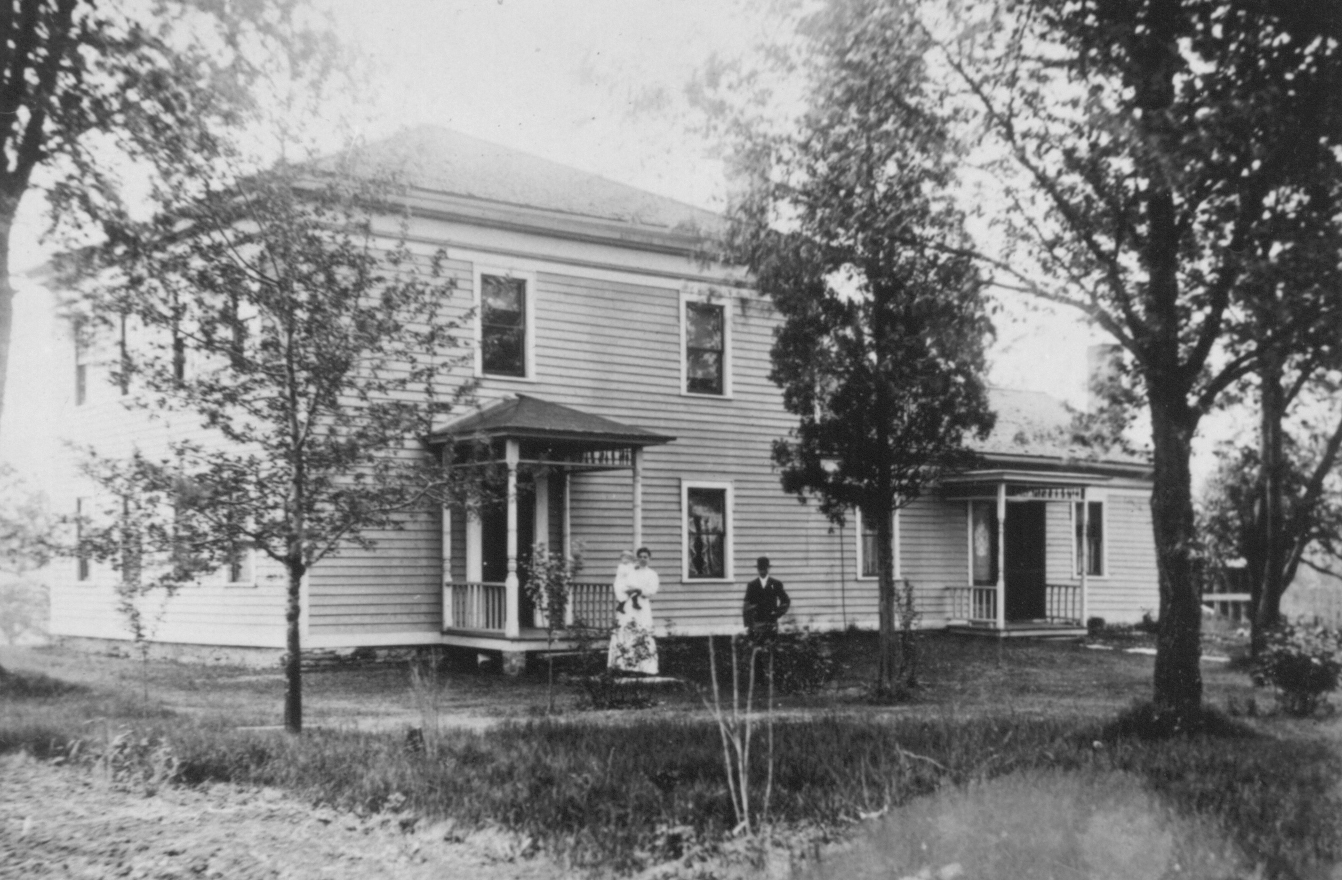
David Green house in 1907

The house pictured above was built for David Green in 1853, the second in a line of three houses, all alike, built by John, David, and Jesse Green in Dayton. For biographical information on David Green, see here.

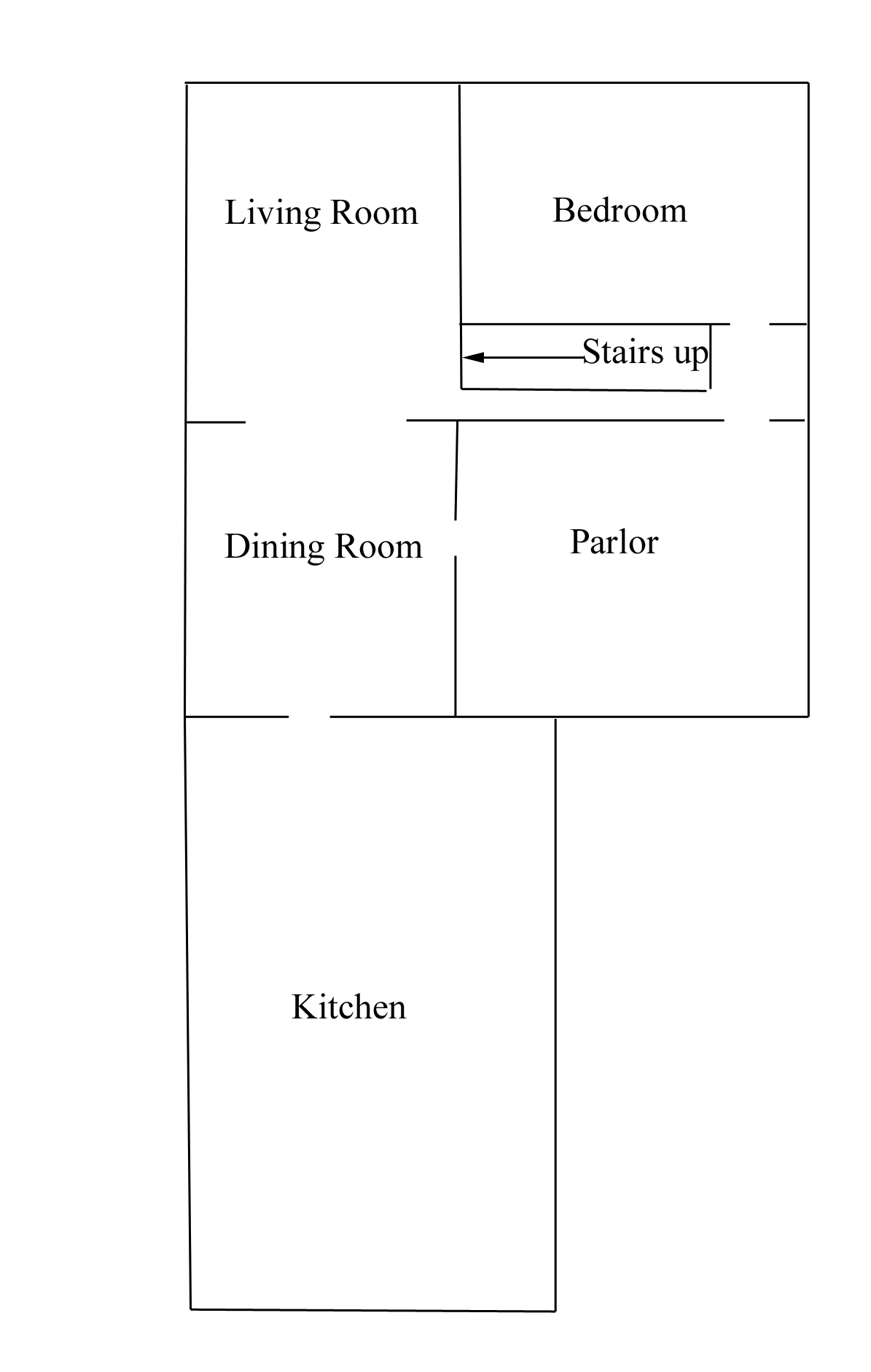
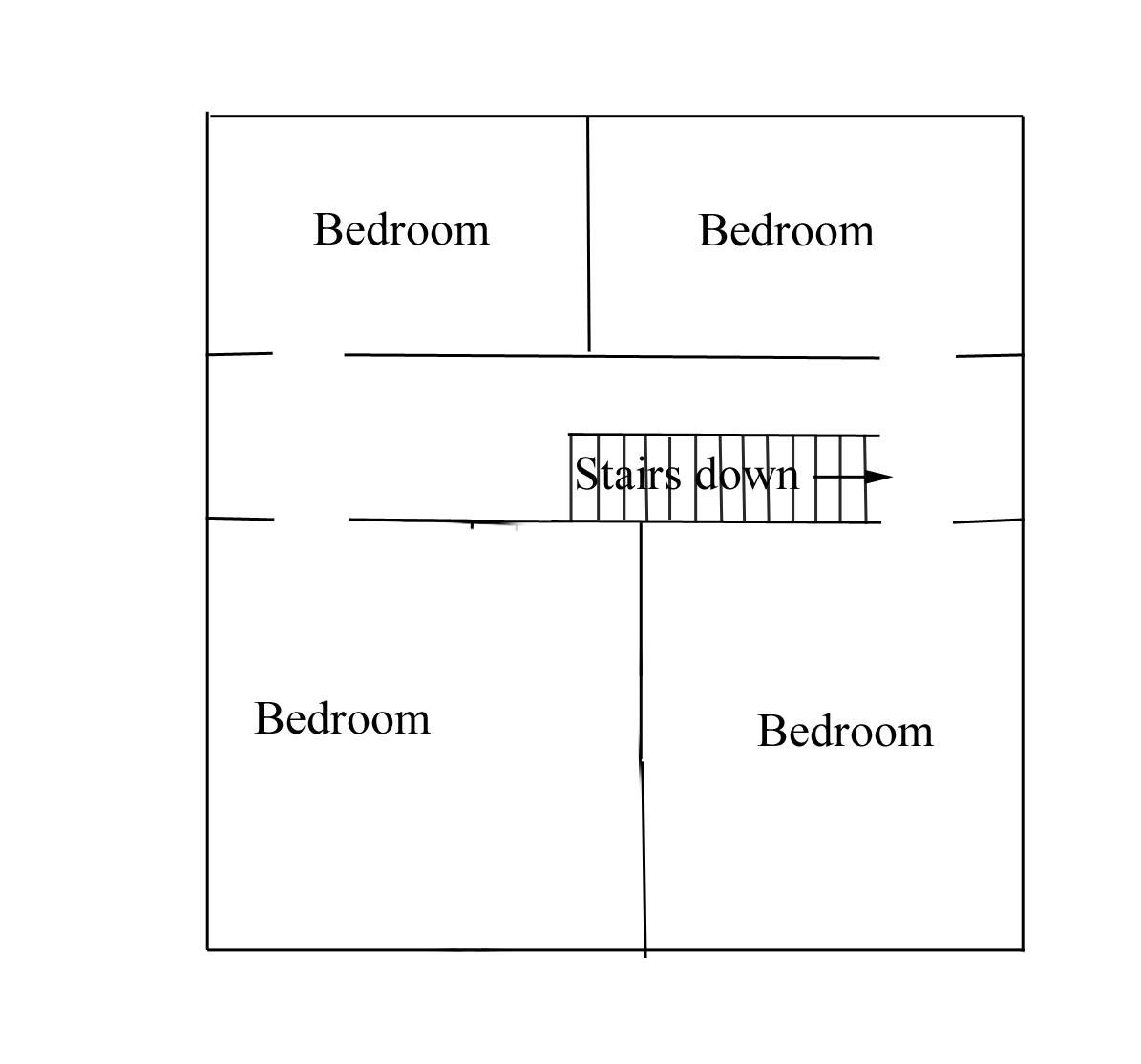
There surely was a previous house on this site. David bought the land from his father in 1842, at age 22, although he may have continued to live at home for a few years. He probably built a house for his new bride, Mary Stadden, when they married in 1847. In any case, in 1853 the house pictured above was built. It was a nine room house, four rooms per floor in the two-story portion and a kitchen extension.

When they moved into the new house they had 3 children, Alice, George, and Ella. Another seven children were born to them, who grew up living next door to their cousins, Jesse’s children.

An upstairs bedroom in this house produced Dayton’s only newspaper. One of the sons, Charles, had a little printing press and he was editor, reporter, printer & everything and he called it “The Dayton Enterprise”. There is only one known copy.

After David’s death, Mary stayed on in the house until some time in the 1890s. The house was tied up in the estate settlement of the man who had purchased the mortgage to the house. It was finally sold to E. A. Dallam in 1904.

Edward A. Dallam was born in Iowa and moved to Whiteside County, Illinois by age 13 where he worked at farming. He suffered from asthma, however, and gave up farming. He moved to Ottawa and opened a store on Main street where he sold notions, crockery, and tinware. In 1892 his wife, Lucy Ann Sapp, died. Three years later he married Winifred Talbot, in Ottawa, and they lived in South Ottawa, where he kept the store and also worked as a painter.

In 1904, when he bought the house, they moved to Dayton. Winifred was a frequent hostess, entertaining the Ladies’ Aid Society, the Dayton Womans’ Club and many other friends. When the J. S. club picnicked there, dinner and supper were served on the spacious lawn, and the day spent having a rousing good time.

In 1919 they decided to move back to Ottawa and he advertised in the Free Trader on March 5 as follows:
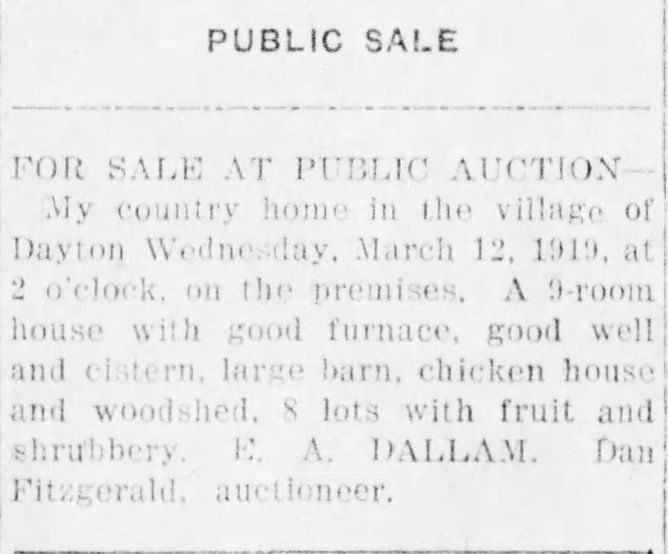
ad for sale of Dayton house

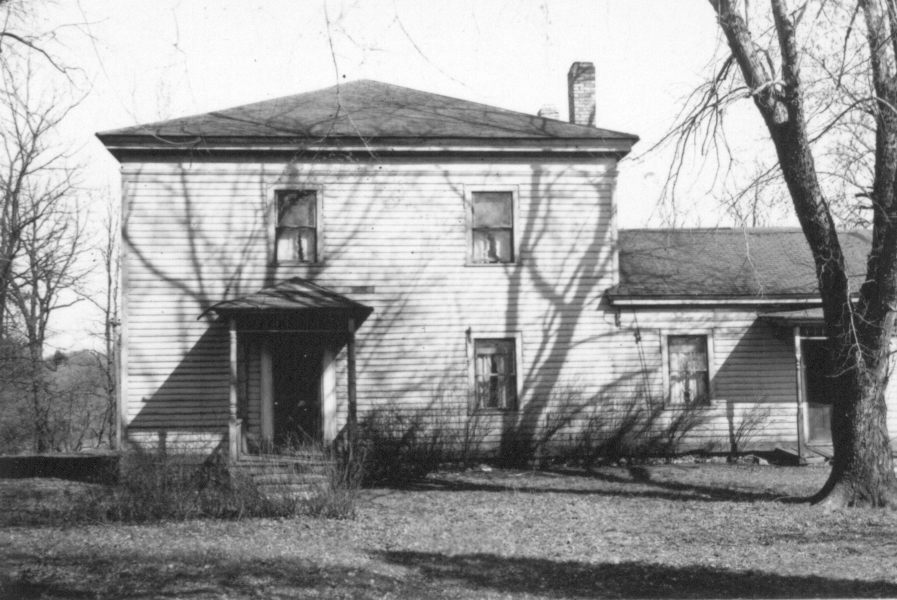
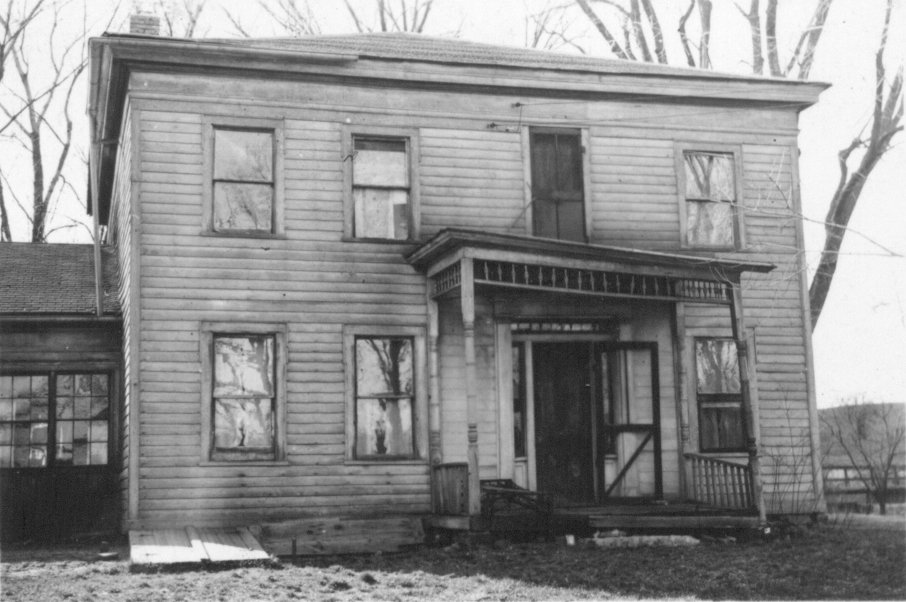
Ralph Green bought it and later gave it to his daughter, Grace, for a wedding present. The pictures below show the house as it was in 1937, when Grace and Charles Clifford began remodeling it.


They changed it extensively, throwing the two east parlor rooms into one large living room and moving the staircase from the center of the house to one side. The old kitchen was torn down and a new one added.

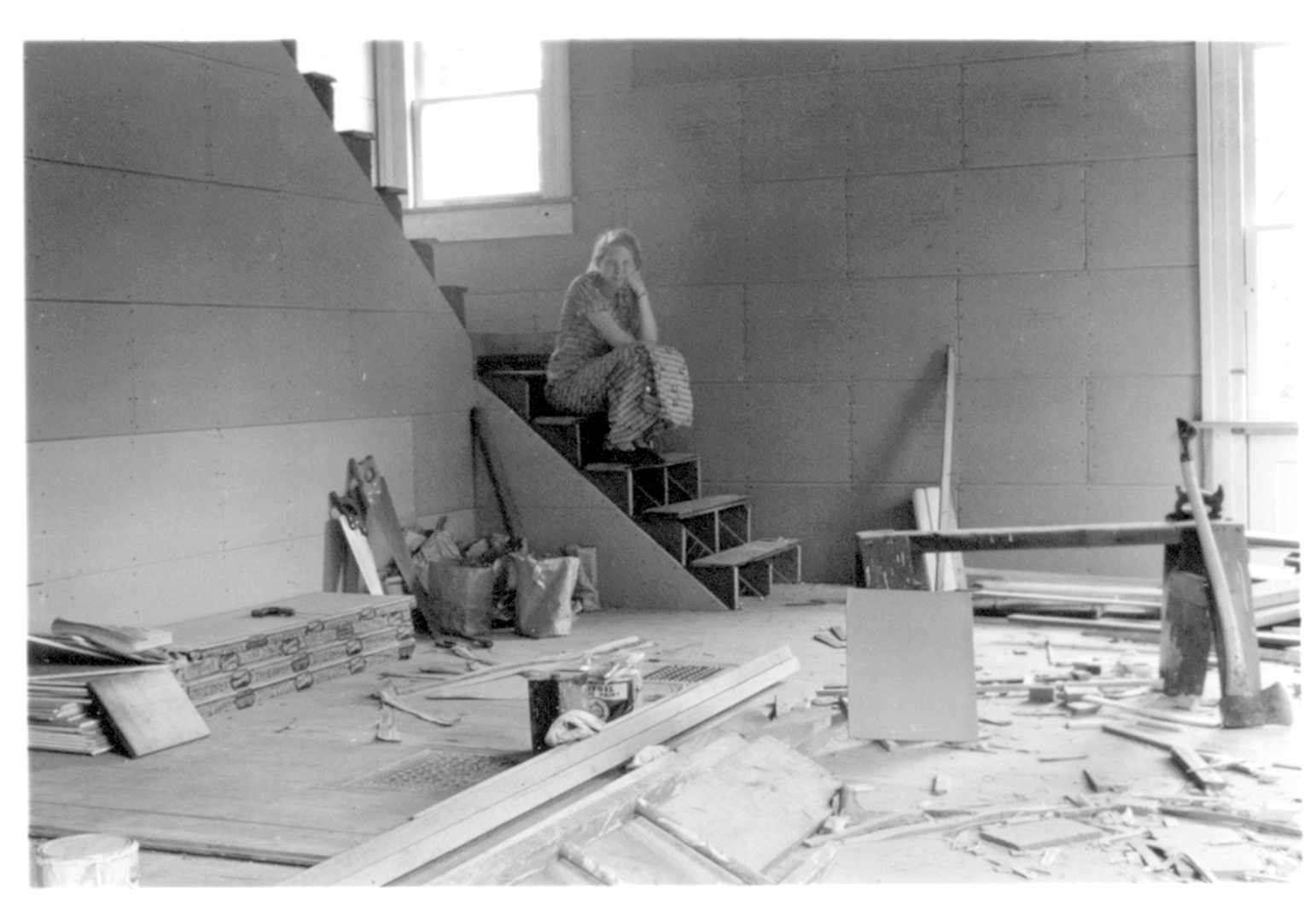
Grace Clifford kept up the tradition of entertaining — The Dayton Homemakers, the Dayton Womans’ Club, the Ottawa AAUW, and large family gatherings were held here at Christmas, Easter, Valentine’s Day, Memorial Day, and on many other occasions.

The Cliffords sold the house in 2000 and retired to Ottawa.

The John Green House – the First in Dayton

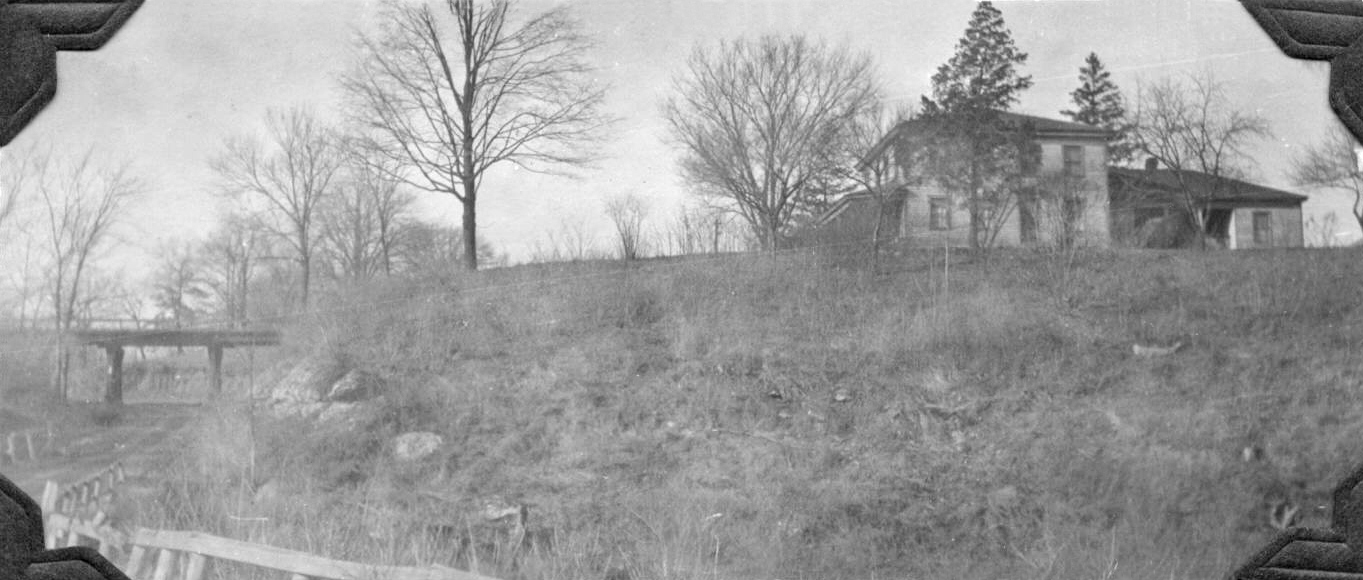
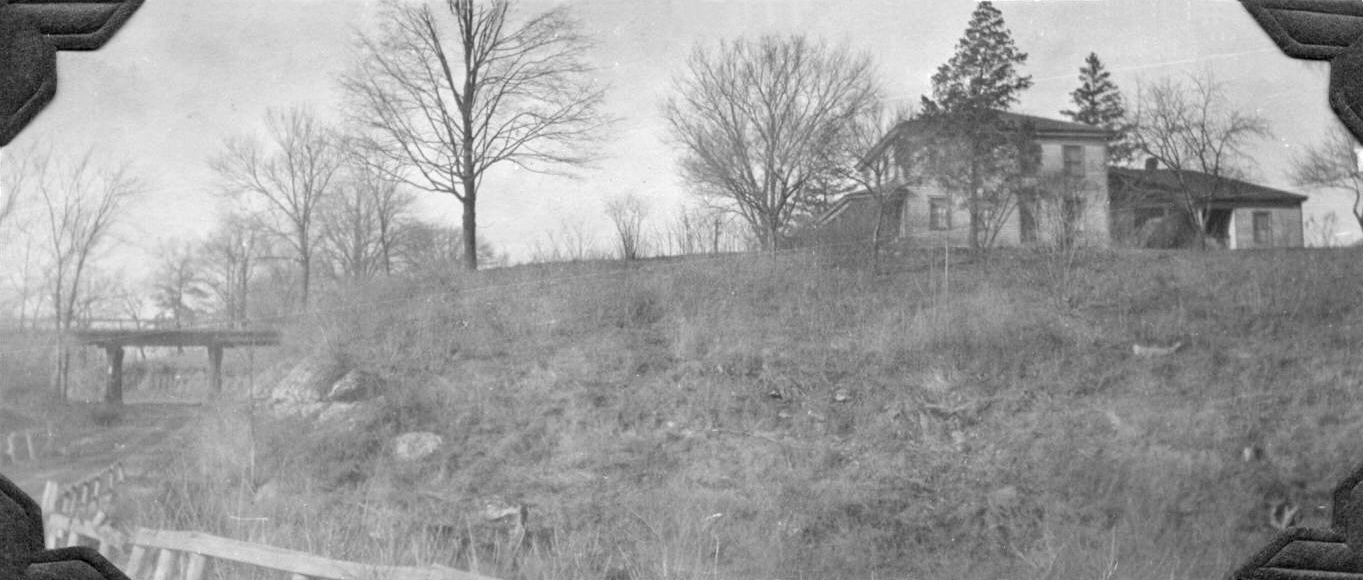
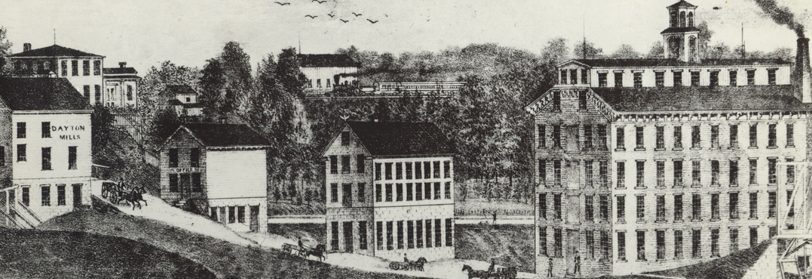
John Green built his first house on the hill overlooking the saw and grist mill that had just been built. Three other houses have subsequently been built on that spot. There are no photographs of any of the houses before the 1853 one, but Maud Green described them in her notes on Dayton, written in the 1940s:

The first house in Dayton was on the site of our present home [marked in map above] and was probably not a log cabin as Grandfather [John Green] had put a saw-mill in one end of the flour-mill in the spring of 1830, leaving his family on the farm four miles up the river until the next Fall, in the cabin 18 x 24 where they had spent the first winter.  They were still in the first house in 1832 at the time of the Blackhawk War as they made a fort of it that summer and had sixty people there just after the Indian Creek Massacre.

I never heard how long it was until the second house was built in the hillside, facing the river.  It had three stories with a spring in the basement floor running into a stone trough, parts of which are still in existence.  The spring dried up long ago but I can remember it.  The upper floor was even with the top of the hill.  It had a porch on the east side of at least one floor.  While the men were away at the California Gold Rush in 1849 the Hite family lived in this house and rented the farm, the only time any but the Green family ever lived here (in 117 years).

In the summer of 1853 John Green & his sons David and Jesse built three square frame houses in a row,  John’s where the first house stood.  In these three houses, the Jesse, David & Isaac Green families grew up.  The Jesse Green house was destroyed by fire within the last twenty years and our father’s house was torn down (in 1924) and replaced by the present structure, which is the fourth house on the original building spot.  The David Green house, owned by Charles and Grace Clifford, is the only one still standing of the three built in 1853.

This view of the third John Green house is from the southwest.

This view is from the railroad tracks, looking east.

This shows the house viewed from the end of the bridge – looking west up the hill.

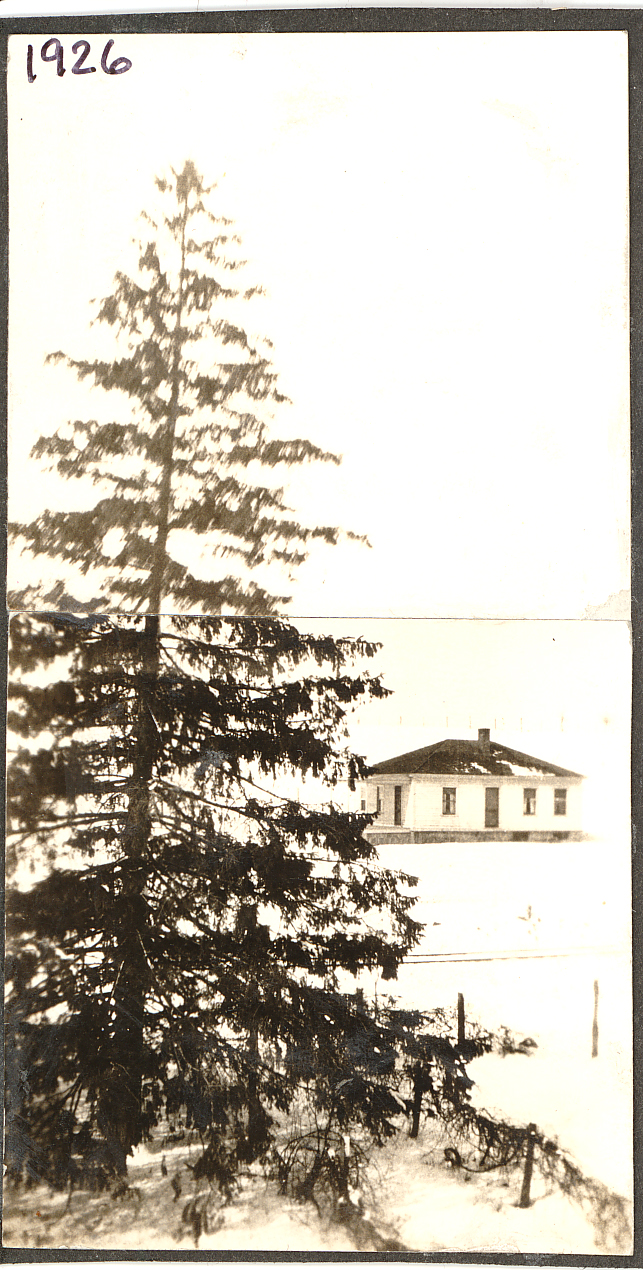
In 1924 when the house was torn down, the old kitchen was moved across the road to make a house for the hired man.

Ralph Green house

This is the fourth house, built in 1924.

The Green Houses

map of Dayton showing location of Dayton Green houses

Location of Green family houses

The Green Houses
Maud V. Green
1946

The first house in Dayton was on the site of our present home [1] and was probably not a log cabin as Grandfather [John Green] had put a saw-mill in one end of the flour-mill in the spring of 1830, leaving his family on the farm four miles up the river until the next Fall, in the cabin 18 x 24 where they had spent the first winter.  They were still in the first house in 1832 at the time of the Blackhawk War as they made a fort of it that summer and had sixty people there just after the Indian Creek Massacre.  Then they all went to Ottawa where Ft. Johnston was built on the south bluff.

I never heard how long it was until the second house was built in the hillside, facing the river.  It had three stories with a spring in the basement floor running into a stone trough, parts of which are still in existence.  The spring dried up long ago but I can remember it.  The upper floor was even with the top of the hill.  It had a porch on the east side of at least one floor.  While the men were away at the California Gold Rush in 1849 the Hite family lived in this house and rented the farm, the only time any but the Green family ever lived here (in 117 years).

In the summer of 1853 John Green & his sons David and Jesse built three square frame houses in a row [1, 2, 3],  John’s where the first house stood.  In these three houses, the Jesse, David & Isaac Green families grew up.  The Jesse Green house [3] was destroyed by fire within the last twenty years and our father’s house [1] was torn down (in 1924) and replaced by the present structure, which is the fourth house on the original building spot.  The David Green house, [2] owned by Charles and Grace Clifford, is the only one still standing of the three built in 1853.

[See pictures of all of these houses here.]

The David Green House

David Green house in 1907

The David Green house in 1907

This house is one of the three built in 1853 by John Green and his sons, Jesse and David. It is the only one of the three still standing. It was given to Grace Green as a wedding present when she married Charles Clifford in 1937.

The house in 1937


1937 floor plan


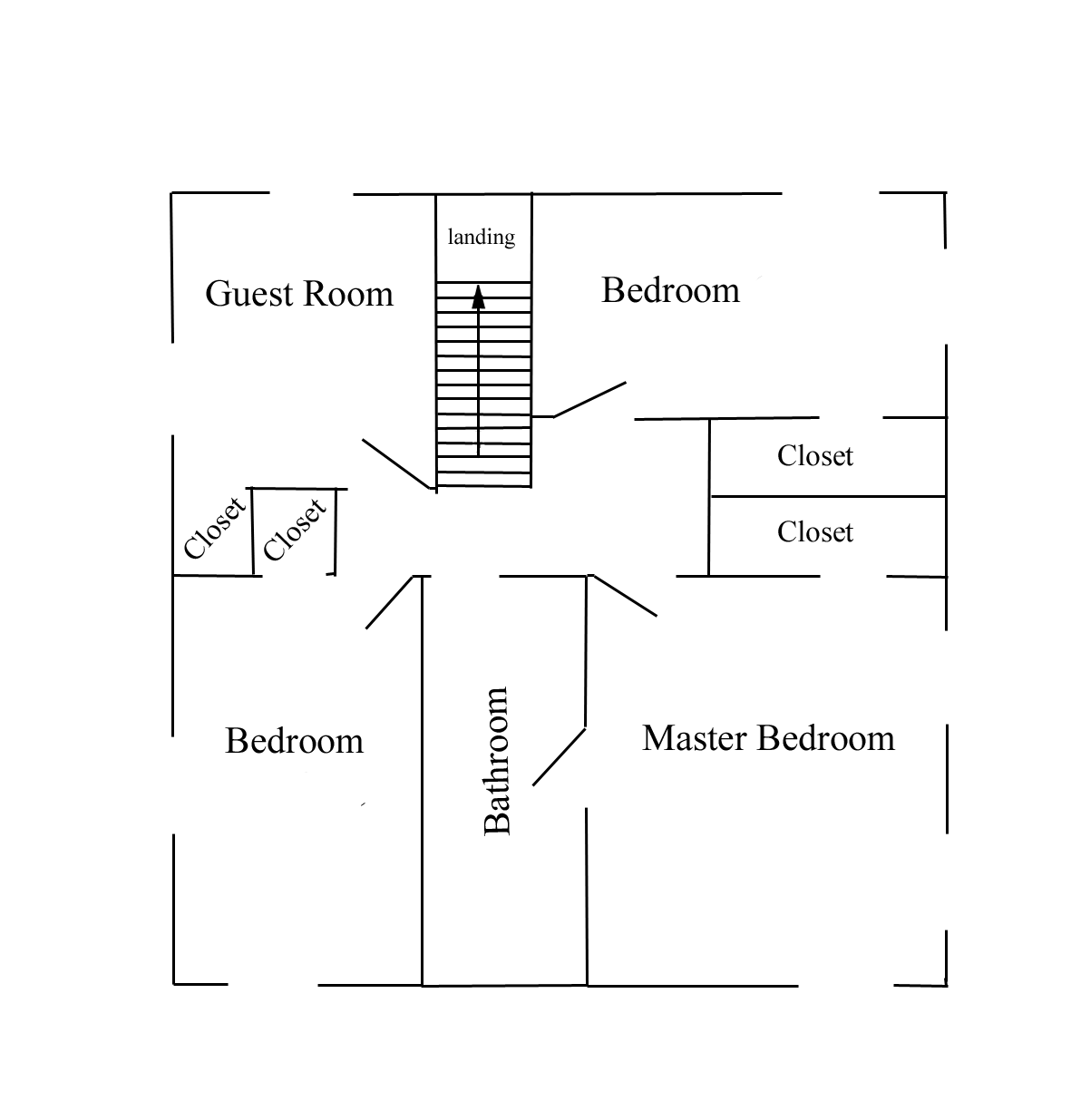
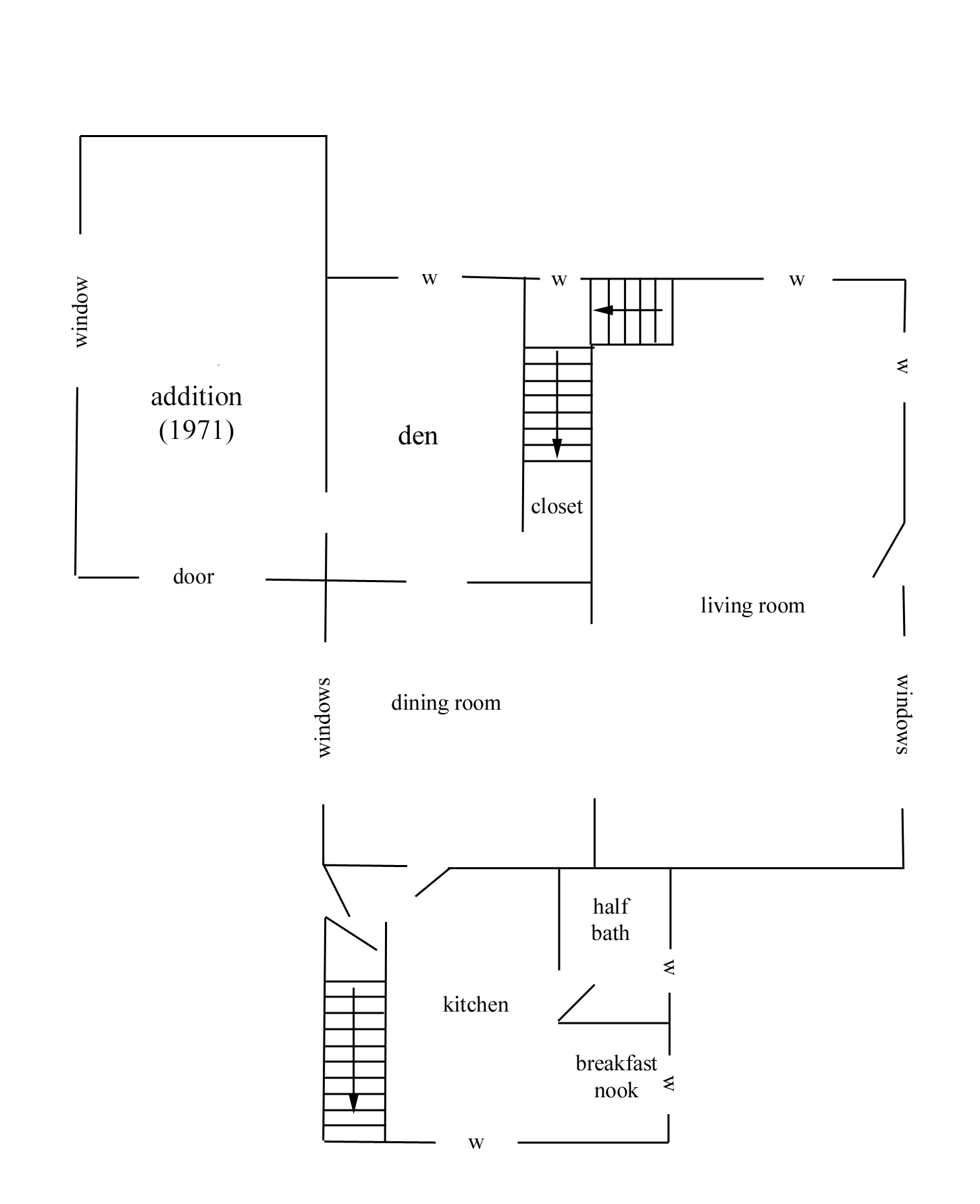
They remodeled the house, moving the stairs from the center of the house to one side in order to open up a large living room that took up half of the ground floor, adding closets to the upstairs bedrooms, and replacing the kitchen.

post-1937 floor plan


The John Green House


The house built by John Green in 1853 was on the bluff above the mill and dam. It faced south and the wide porch must have been a sunny place to work or relax. Four of John and Barbara’s children were still at home when the new house was built, although not for long. Joseph died two years later; Rachael and Rebecca married, but Isaac stayed in the family home and in 1865 brought his bride, Mary Jane Trumbo, to live there. Isaac worked the farm with his father and cared for his parents in their old age. The farm is still in the possession of Isaac’s descendants. Isaac died in 1904 and his son Lyle took over the running of the farm, with his older sister Maud keeping house for him and their mother. In 1908, Lyle married Eva Duffield and Maud and Mary Jane moved to Ottawa.

In 1926, Lyle decided to tear the house down and replace it. The kitchen was detached from the house and moved across the road, where it became a house for a hired man.

hired man's house (old kitchen)

Old kitchen now a house

The new house occupied the same site as the old and also faced south. Lyle and Eva divorced and Maud moved back to Dayton to keep house for her brother again. When Lyle died in 1935, his brother Ralph took over the house and the running of the farm.

Ralph Green house

The new house