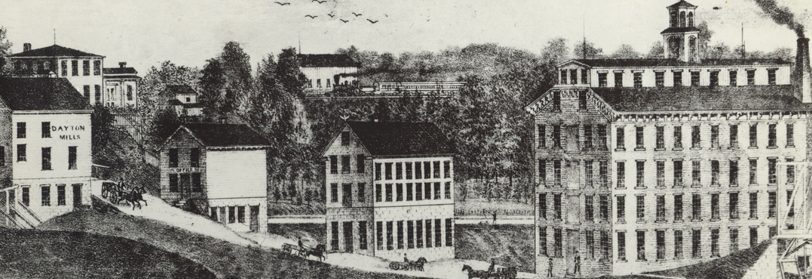

It is proposed to have a general turn-out of all in the towns of Rutland and Dayton (the cooperation of the towns of Mission and Serena respectfully invited) who are desirous of ridding themselves of these pests — the wolves — which are becoming so numerous that they have been seen in droves of three and as high as five, to the great annoyance of sheep men, and others.
The plan of operations will be for Rutland and Dayton — with the request that Serena and Mission join them — to elect one marshal in each town, who shall have entire control, first and second lieutenants for every twenty men, who shall be subordinate to the marshals, the people of those towns to drive to Fox river, where the meeting shall be simultaneous, with a view of capturing every wolf, which is considered better than to meet on the prairie, as is usually the custom in such hunts.
Friday, the 27th day of February, is the time appointed for this grand turn out — for this grand raid on the wolves — for the organization and success of which the following meetings are hereby called: One at the Grove school house, Rutland; one at the Dunavan school-house, on Buck creek; and one at the schoolhouse in the village of Dayton, on Saturday evening, February 21st. The meeting at the Dunavan school-house to have the privilege of electing the marshal for the town of Dayton.1
Hunts typically involved hundreds of men walking in a line with guns. In 1875, Illinois had a bounty for wolf scalps. Settlers could receive $20 for each wolf scalp they provided. There was also a smaller bounty of $3 for wolf pups.
Although the submitter of this report promised to provide a report on the success of the event, a search of the next few issues of the newspapers was unsuccessful. Maybe there wasn’t much to brag about?
- The Ottawa Republican, February 19, 1874, p5.


Interesting, no idea that we had wolves in Illinois…
LikeLike